
Patience and Training
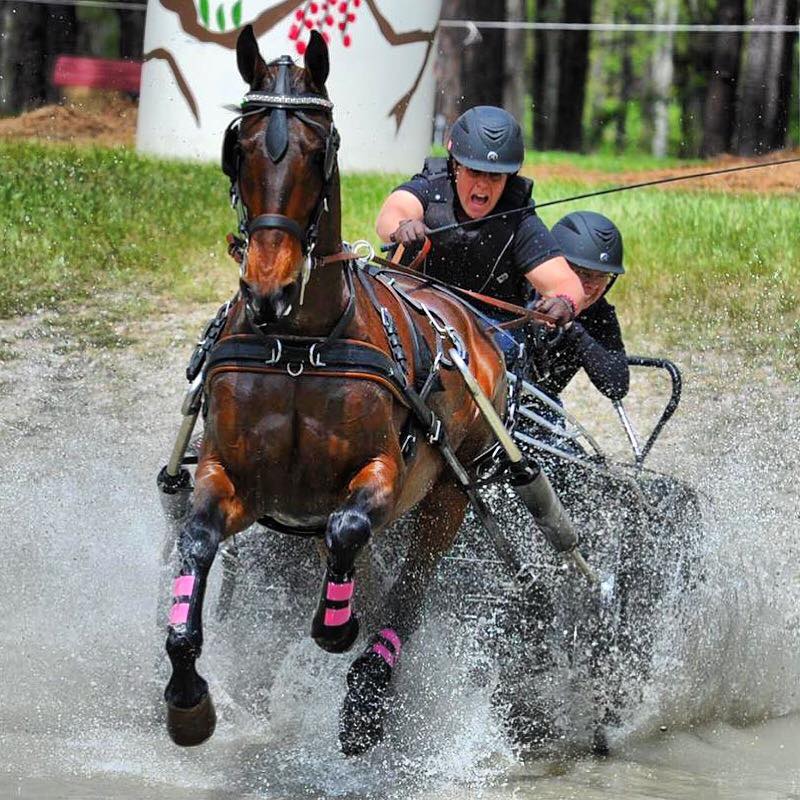
Patience isn’t just a virtue in carriage driving—it’s the foundation everything else is built on.
Training a horse to drive is a process that asks for trust, consistency, and time. Unlike riding, where communication can rely heavily on body cues, driving depends on voice, rein contact, and the horse’s confidence in what it cannot see behind it. That alone makes patience not optional, but essential.
When starting a horse in harness, every step is new. The feel of the harness, the sound of the carriage, the weight following behind—these are all things that can trigger uncertainty. Rushing through these early stages often creates anxiety, resistance, or even dangerous situations. A patient approach allows the horse to process each new experience, building confidence instead of fear.
Small wins matter. Standing quietly during harnessing. Taking a few relaxed steps forward. Accepting the sound of wheels without tension. These moments might seem insignificant, but they are the building blocks of a reliable driving horse. Patience means recognizing and rewarding those moments rather than pushing immediately for more.
It’s also important to remember that no two horses learn at the same pace. Some are naturally bold and curious, while others need more time to feel secure. Comparing one horse’s progress to another’s can lead to frustration—and frustration has no place in effective training. Meeting each horse where they are creates a partnership based on understanding rather than pressure.
Setbacks will happen. A horse that was confident yesterday may be tense today. Weather, environment, and even subtle changes in routine can affect their mindset. Patience allows you to step back, reassess, and adjust without turning a temporary issue into a lasting problem.
For the driver, patience is just as much about self-control as it is about training technique. Horses are incredibly perceptive; they feel tension, impatience, and doubt. When you stay calm and consistent, you give your horse the reassurance it needs to trust the process.
In the long run, patience saves time. Horses trained with care and understanding become safer, more reliable, and more willing partners. They retain what they’ve learned because they were given the time to truly understand it.
A well-trained driving horse isn’t created in a hurry. It’s developed through quiet repetition, thoughtful progression, and a steady commitment to doing things the right way—even when it takes longer than expected.
Because in carriage driving, patience isn’t slowing you down—it’s what gets you there.


Comments