
Grooming Carriage Horses
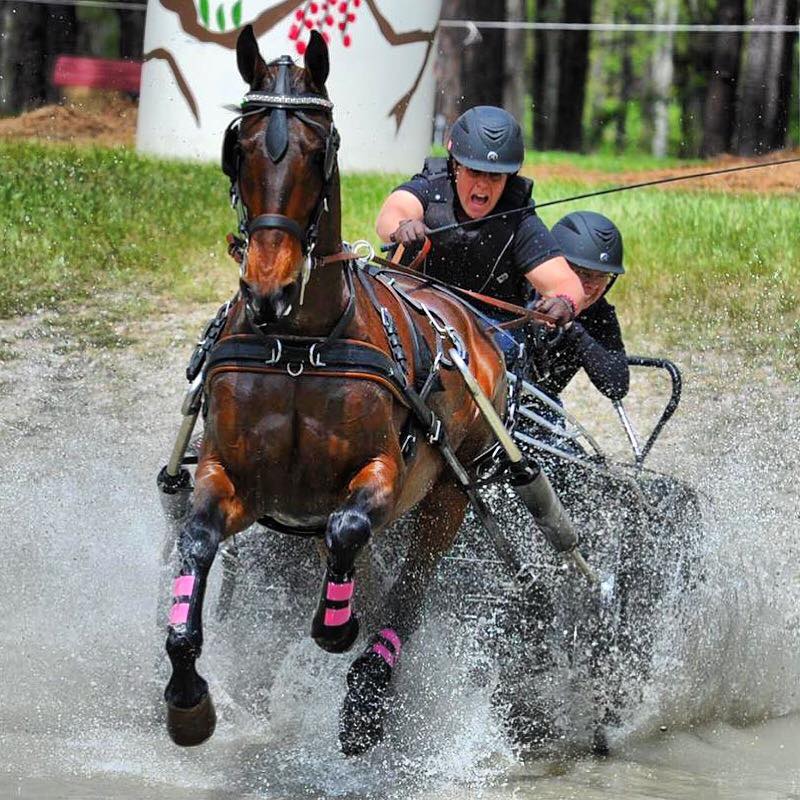
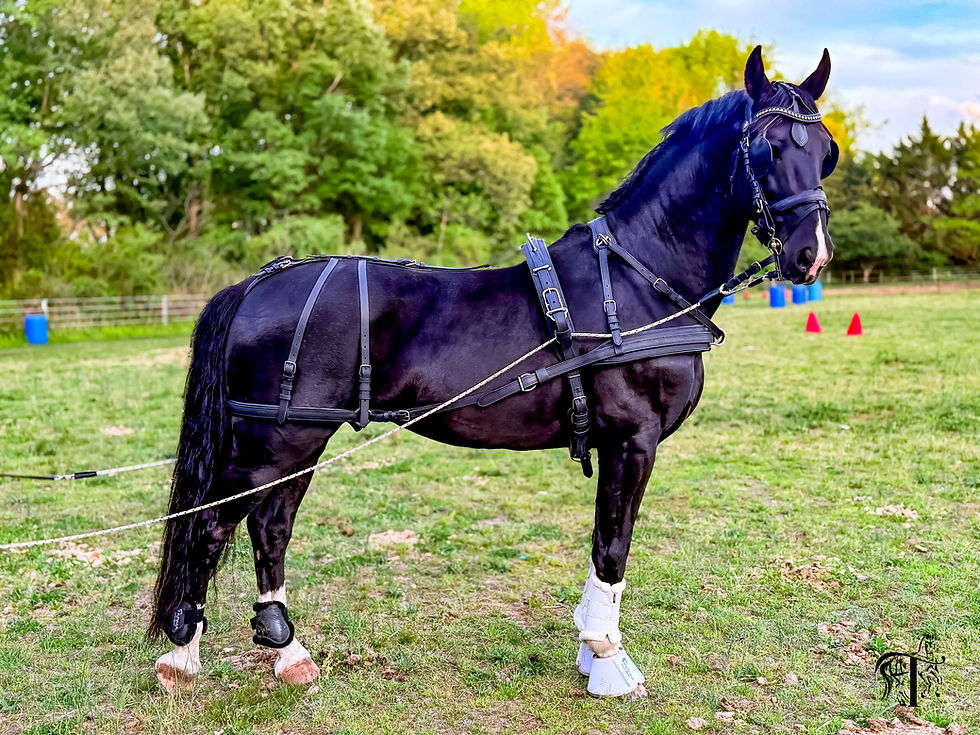
Step-by-Step Guide to Grooming Your Driving Horse
1. Start with a safety check
Before grooming, make sure your horse is safely tied or held in a quiet area with good footing. Check their attitude, comfort level, and overall body condition before you begin. Notice any swelling, heat, cuts, rubs, or soreness.
2. Pick out the feet
Start with the hooves. Pick out each foot carefully, removing dirt, stones, packed bedding, or mud. Check the frog, sole, heel bulbs, and shoe area. For a driving horse, sound feet are especially important because they may be working on roads, gravel, grass, or uneven footing.
3. Curry the body
Use a curry comb in small circular motions over the large, muscled areas of the body. This loosens dirt, dead hair, and sweat while also stimulating the skin. Avoid bony or sensitive areas like the face, legs, spine, and hip points unless using a very soft curry.
4. Brush away dirt and loose hair
Follow with a stiff brush to flick away the dirt brought up by currying. Brush with short, firm strokes in the direction of the hair. Pay special attention to the girth area, shoulder, back, and anywhere the harness will sit.
5. Use a soft finishing brush
Use a soft brush over the entire body to remove fine dust and smooth the coat. This is also a good time to check for tenderness, skin irritation, or anything unusual.
6. Clean the harness areas carefully
Driving horses need extra attention where the harness makes contact. Check and clean the chest, shoulders, withers, back, girth area, belly, sides, hips, dock, and around the tail. Dirt, sweat, or dried mud under harness can cause rubs and sores.
7. Groom the legs
Brush the legs carefully, checking for swelling, heat, cuts, scabs, or soreness. Feel down each leg with your hands. Make sure the pasterns and fetlocks are clean and dry, especially if your horse has feathers or thick hair.
8. Clean the face
Use a soft brush or damp cloth on the face. Wipe around the eyes, muzzle, nostrils, and under the jaw. Be gentle around sensitive areas and avoid sharing face cloths between horses when possible.
9. Brush the mane and forelock
Use your fingers first to separate tangles, then gently brush or comb the mane and forelock. A detangler can help prevent breakage. Keep the mane tidy so it does not interfere with the bridle, reins, or neck strap.
10. Care for the tail
Pick through the tail by hand before brushing. Remove shavings, burrs, knots, or debris. Brush from the bottom up to avoid pulling out hair. For driving horses, make sure the tail is clean and safe around the harness and vehicle.
11. Wipe the dock and under-tail area
Because the crupper sits under the tail, this area must be clean and comfortable. Use a damp cloth to gently clean the dock and under-tail area if needed. Check for rubs, irritation, swelling, or sensitivity.
12. Final harness-area inspection
Before harnessing, run your hands over all contact points one more time. Make sure the coat is clean, dry, and smooth where the collar, breastcollar, saddle, girth, breeching, crupper, and bridle will sit.
13. Apply fly spray or coat products if needed
Use fly spray, coat conditioner, or hoof dressing as appropriate. Be careful not to make the saddle, girth, or collar areas slippery. Avoid spraying directly near the eyes or nose.
14. Keep grooming tools clean
Dirty brushes can put sweat, fungus, and grime right back onto your horse. Clean brushes regularly and avoid sharing grooming tools between horses with skin issues.
15. Groom again after driving
After work, remove sweat and dirt from the harness areas. Sponge or rinse sweaty spots as needed, dry the horse properly, and check for rubs or soreness. A post-drive grooming session helps you catch small problems before they become big ones.
Quick Driving Horse Grooming Checklist
Pick out all four feet
Curry body
Stiff brush dirt away
Soft brush coat
Clean girth, saddle, collar, and breeching areas
Check legs for heat, swelling, or cuts
Clean face
Brush mane and forelock
Detangle tail
Clean dock and crupper area
Check all harness contact points
Apply fly spray if needed
Recheck horse after driving


Comments