
The Purpose of a Working Horse
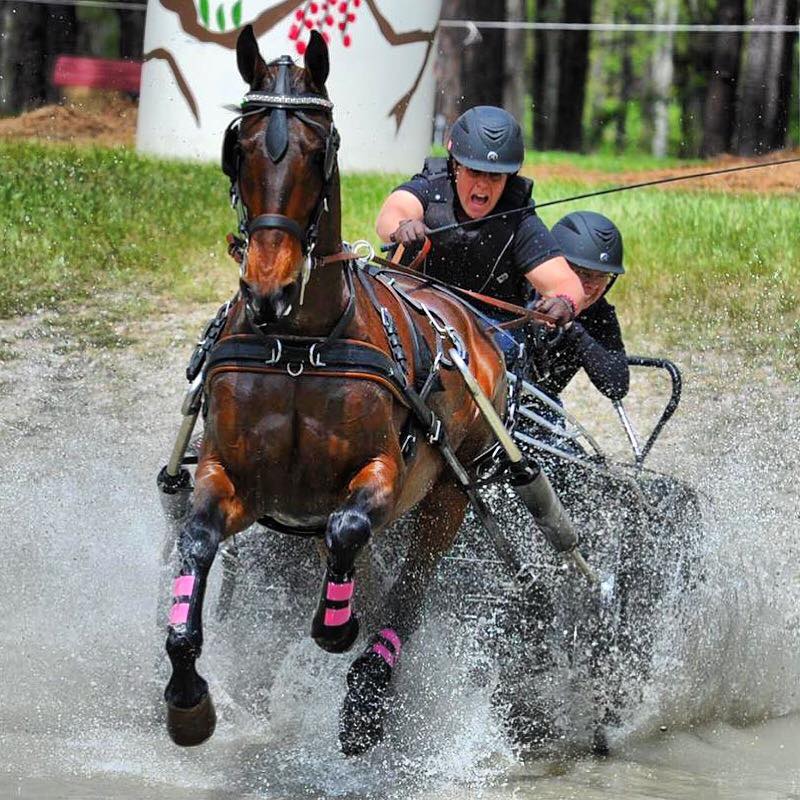

The Purpose of a Working Horse: A Thoughtful Response to the Recent NYC Carriage Tragedy
The recent carriage accident in New York City that resulted in the heartbreaking loss of a young life has shaken many people. First and foremost, our thoughts are with the family and loved ones affected by this tragedy. Any loss of life is devastating, and incidents like this naturally lead to difficult conversations about horses, carriages, safety, and the role of working animals in modern society.
As carriage horse professionals, horse owners, and horse lovers, we believe these conversations are important. We also believe they should be guided by facts, experience, and a genuine concern for both human and equine welfare.
One of the narratives that often emerges after incidents involving carriage horses is the belief that horses would be better off if they simply lived out their lives in a pasture without work. While that idea may sound compassionate on the surface, the reality is often much more complicated.
Horses are athletes. They are animals that evolved to move, travel, and engage with their environment. Like people, horses benefit from regular exercise, mental stimulation, structure, and purpose. Many horses thrive when they have a job to do.
At our farm, we see this every day. Our driving horses eagerly come to the gate when it is time to work. They know the routine. They enjoy the attention, grooming, interaction, and activity that comes with their jobs. Working horses are often monitored more closely than horses that spend their lives turned out in a field. Their weight, fitness, soundness, hydration, nutrition, and overall health are constantly evaluated because their well-being directly impacts their ability to perform.
A horse standing idle in a pasture is not necessarily living a healthier or happier life. In fact, inactivity can contribute to obesity, metabolic disorders, loss of muscle, arthritis-related stiffness, and a decline in overall fitness. Just as people are healthier when they remain active, many horses benefit physically and mentally from having meaningful work.
That does not mean every horse is suited for every job, nor does it mean that safety concerns should ever be dismissed. The carriage industry, like every equestrian discipline, must continually strive to improve safety standards, training practices, equipment maintenance, and horse welfare. Responsible operators welcome those discussions because the safety of our horses, passengers, and the public depends on it.
Unfortunately, tragedies often generate strong emotions and calls for broad conclusions before all of the facts are known. While those emotions are understandable, it is important to avoid assuming that one incident defines an entire profession or proves that all carriage horses are mistreated.
The overwhelming majority of carriage horse professionals care deeply about their animals. These horses are not simply tools of the trade; they are partners, teammates, and often beloved members of the family. Their health, comfort, and happiness are priorities every single day.
The recent tragedy in New York reminds us that safety must always come first. It also reminds us that working horses deserve to be judged by the quality of care they receive, not by assumptions about the nature of work itself.
A well-cared-for horse with a meaningful job can live a healthy, active, and fulfilling life. Purpose is not a burden for these horses—it is often one of the things that helps them thrive.
As we mourn a terrible loss, let us also commit to thoughtful discussion, responsible horsemanship, and a continued dedication to the welfare of both people and horses.


Comments