
What age do I train my horse to drive?
Why Young Horses Need Life Skills Before Careers
In today’s horse world, there can be tremendous pressure to get young horses working early. Three-year-olds are often being started under saddle, hooked to carts, or entering competitions. While many horses can physically perform these tasks at a young age, the question is not whether they can—it is whether they should.
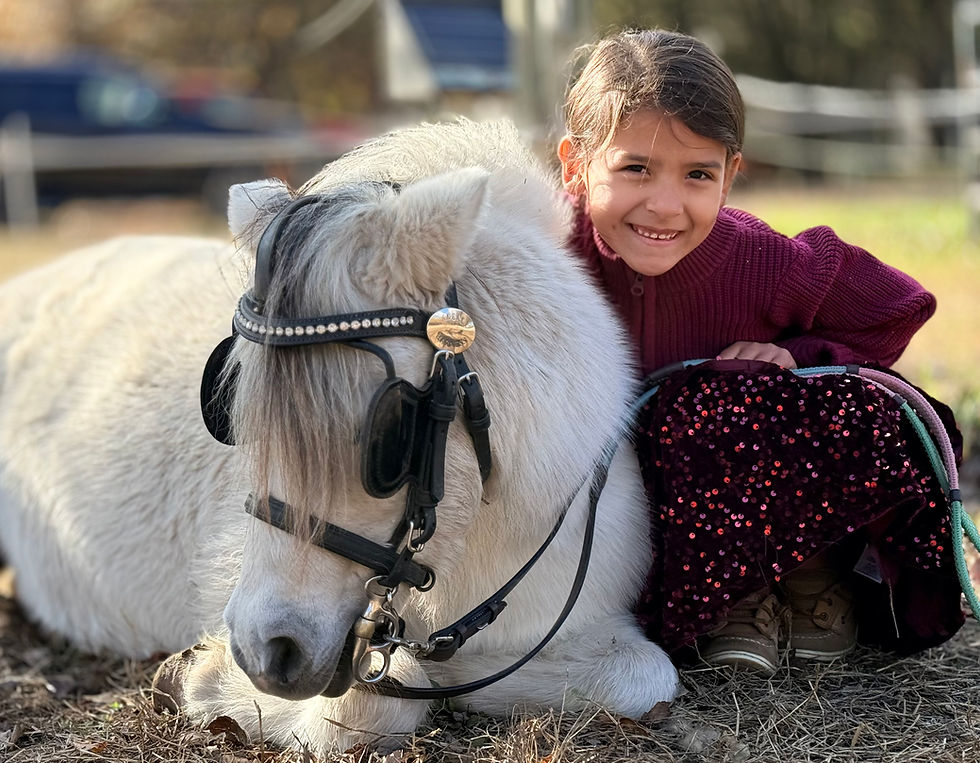
At Tanglao Carriage Driving, we believe the years before age five should be focused primarily on developing life skills, confidence, and manners. A horse’s future success depends far more on the foundation built during these years than on how quickly they begin a specific career.
The Importance of Growing Up
Just like children, young horses need time to mature physically, mentally, and emotionally. While their bodies may look nearly grown, important skeletal structures are still developing. Growth plates continue to close throughout the horse’s body well into their fifth year and beyond.
Beyond physical growth, young horses are still learning how to process new experiences. They are discovering how to interact with humans, handle stress, and navigate unfamiliar environments. These lessons create the framework for everything they will do later in life.
Rushing into specialized work too early can create unnecessary stress, confusion, and even long-term behavioral issues.
What Young Horses Should Be Learning
Instead of focusing on driving, riding, or intensive training, young horses benefit tremendously from learning the skills that will make them safe and enjoyable partners for life.
These skills include:
Leading politely
Standing quietly while tied
Loading and unloading from trailers
Accepting veterinary and farrier care
Grooming and bathing
Walking over obstacles
Respecting personal space
Handling new environments calmly
Learning to relax when unsure
Being caught easily in the field
Standing patiently during downtime
These may seem like simple tasks, but they form the basis of a horse that is confident, trustworthy, and easy to handle.
Building Confidence Instead of Compliance
One of the biggest mistakes trainers can make is focusing solely on obedience. A young horse that performs because it is afraid to make a mistake is not truly confident.
The goal should be to create a horse that thinks, learns, and trusts.
When young horses are exposed to new experiences gradually and positively, they learn that unfamiliar situations are not something to fear. They develop curiosity instead of anxiety and confidence instead of resistance.
This confidence becomes invaluable later when they encounter traffic, showgrounds, spectators, water crossings, or the countless unexpected situations that come with riding and driving.
Why Waiting Often Creates Better Driving Horses
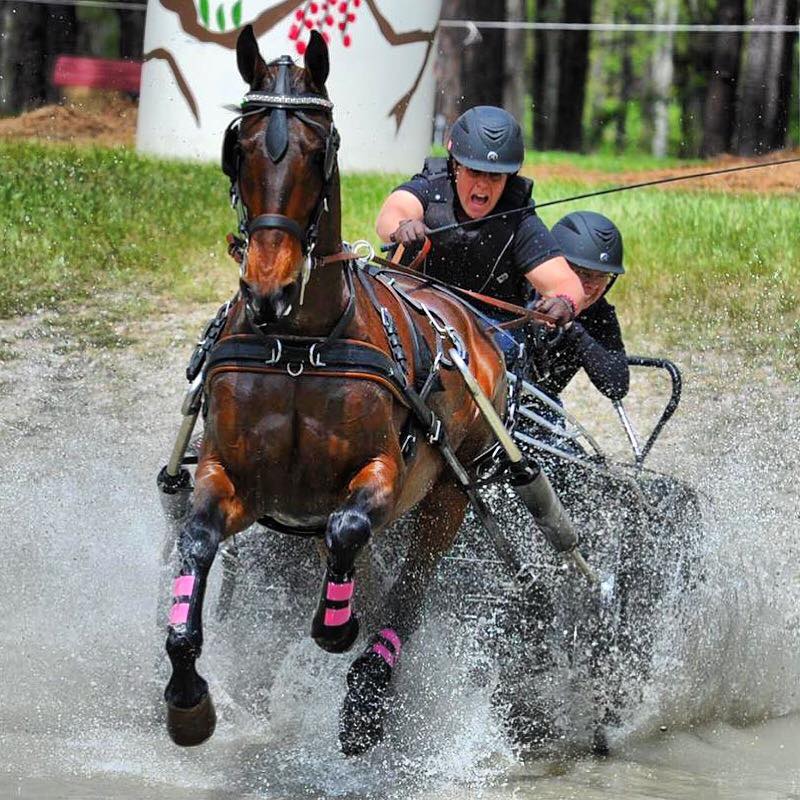
Driving places unique demands on a horse. Unlike riding, the driver is not physically on the horse to provide support or guidance. The horse must think independently, respond accurately to voice commands, and remain calm in situations where they cannot easily see the source of pressure.
For this reason, maturity matters.
A five-year-old horse that has spent several years developing manners, confidence, and life skills often progresses through driving training much faster than a younger horse that was rushed into the work.
These horses tend to:
Learn commands more quickly
Handle pressure better
Recover from mistakes faster
Retain training longer
Stay sounder physically
Enjoy their work more
The same principle applies to riding. Horses that begin their ridden careers after developing a strong foundation often become safer, happier, and more reliable partners.
Setting Horses Up for a Lifetime of Success
Training is not a race. No one hands out trophies for starting a horse the youngest.
The horses that enjoy long, successful careers are often the ones whose early years were spent learning how to be good citizens rather than athletes.
By focusing on manners, confidence, patience, and life skills during the first five years, we allow young horses the opportunity to mature into willing partners who understand their world and trust the people guiding them.
When the time comes to introduce driving or riding, those horses are not simply ready to perform a job—they are prepared to succeed.
Sometimes the best training decision we can make is to slow down, let young horses be young, and invest in the foundation that will support them for the rest of their lives.


Comments