
Summer Flies
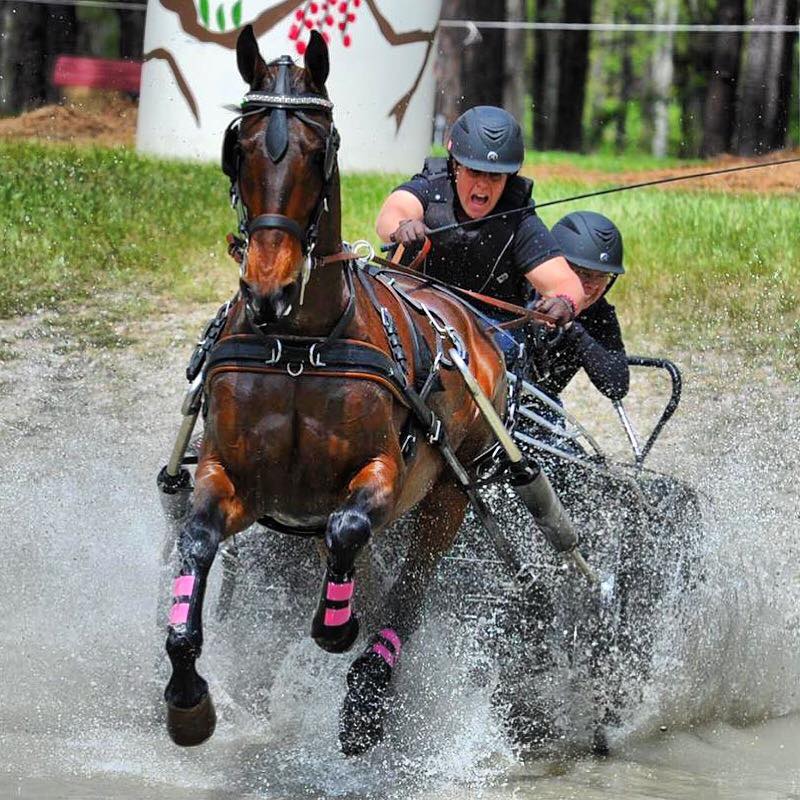

Summer is one of the best seasons for carriage driving — long evenings, sunny trails, and plenty of opportunities to get horses out and working. Unfortunately, it’s also peak fly season. Few things can ruin a drive faster than a horse stomping, tail swishing, head tossing, or becoming distracted by relentless insects. Managing flies isn’t just about comfort; it’s an important part of keeping your driving horse relaxed, focused, and safe in harness.
Flies can create serious problems for driving horses because they often can’t use their natural defenses as freely while hitched. A horse pulling a carriage cannot constantly spin, kick, or move away from irritation the same way they can in a pasture. When flies are excessive, even the steadiest horse may become tense or reactive.
The first step in fly management is prevention around the barn. Clean stalls, dry paddocks, and proper manure management go a long way toward reducing fly populations. Standing water should be eliminated whenever possible, and manure piles should be moved far away from turnout and driving areas. Small changes in daily management can dramatically reduce the number of flies your horse deals with.
Fly masks and fly sheets can also help during turnout. Horses that spend all day being harassed by insects often start work already irritated and mentally exhausted. Allowing them relief during downtime helps them stay fresher and calmer when it’s time to hitch up.
Before driving, many horse owners rely on fly sprays. Not all sprays work equally well for every horse or climate, so it may take some experimenting to find the right option. Applying spray carefully around the legs, belly, chest, and ears can help protect the areas flies target most. Some drivers also use roll-on repellents around sensitive facial areas where sprays are harder to apply safely.
For horses that are particularly bothered while driving, fly fringe attached to the bridle and harness can make a noticeable difference. These lightweight fringes help keep flies away from the eyes without interfering with vision and confuse the flies so they don’t land on the body. Ear bonnets are another useful option for horses irritated by gnats and buzzing insects around their ears.
Timing your drives can also help. Early mornings and evenings are often more comfortable than the hottest parts of the day when flies are most aggressive. Choosing shaded routes and breezier areas can provide natural relief as well.
Just as important as physical protection is training through distraction. A good driving horse learns to stay attentive despite environmental annoyances. However, there is a difference between encouraging focus and expecting a horse to tolerate constant discomfort. Setting your horse up for success with good fly management helps maintain confidence and prevents unnecessary stress.
Summer driving should be enjoyable for both horse and driver. With thoughtful preparation and a proactive approach to fly control, you can keep your horse happier, more comfortable, and focused on the job instead of the buzzing around them.


Comments